Product description
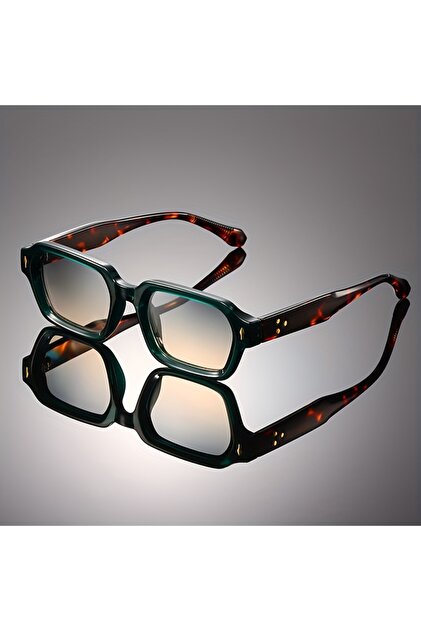
Why use blue light protection glasses? The time we spend in front of digital screens is increasing day by day, and for this reason, a new study is added to the research on the effects of blue light emitted from digital screens on human health every day. __t3__ In our daily lives, we frequently encounter energy-efficient light bulbs, led lighting, tv and computer screens, tablets, and smartphones – all of which are significant sources of blue light. with the increasing prevalence of these artificial light sources, blue light has become synonymous with health concerns, including eye strain, insomnia, headaches, and, more seriously, retinal damage, cataracts, and circadian rhythm disruption. While research into the long-term effects of prolonged blue light exposure on human health is ongoing, experts agree that prolonged exposure disrupts our body's natural circadian rhythm – the cycle of rest at night and alertness during the day. specifically, the blue light emitted from artificial light sources tricks the brain into thinking it's daytime. this is particularly problematic when we're exposed to blue light in the evening, after the sun has set. it's been observed that blue light inhibits the brain's release of melatonin, the sleep hormone, making it harder to fall asleep. this can lead to sleep disturbances, eye strain, headaches, fatigue, and other associated health issues. Specifically, research suggests that the blue light emitted by led lamps can cause permanent retinal damage, potentially leading to vision loss. Blue light blocking glasses (also known as screen glasses) protect your eyes by filtering out the blue light emitted directly from screens on devices we use daily, such as cell phones, tablets, and computers, as well as other artificial light sources.
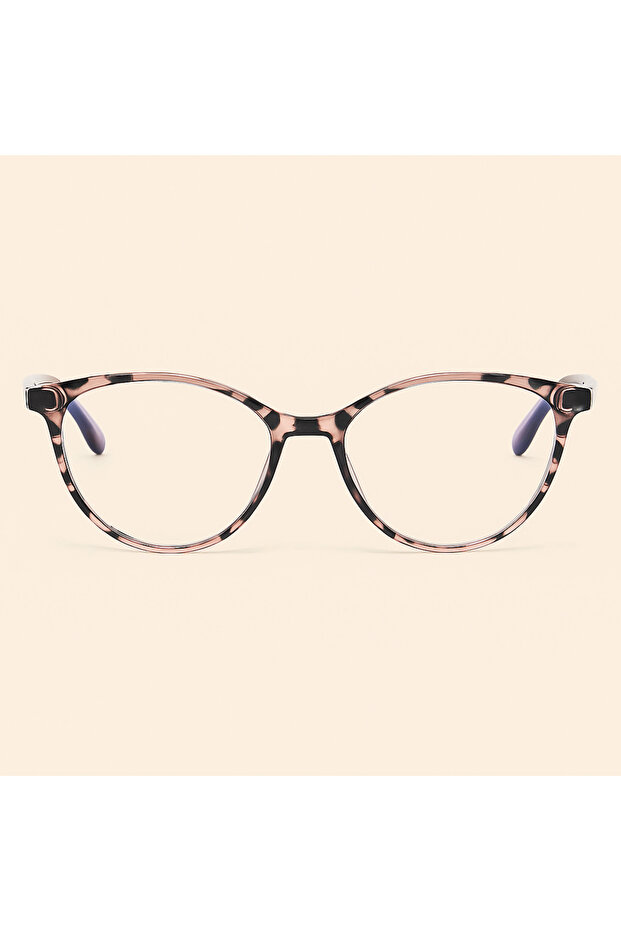










 Trendyol Plus Exclusive



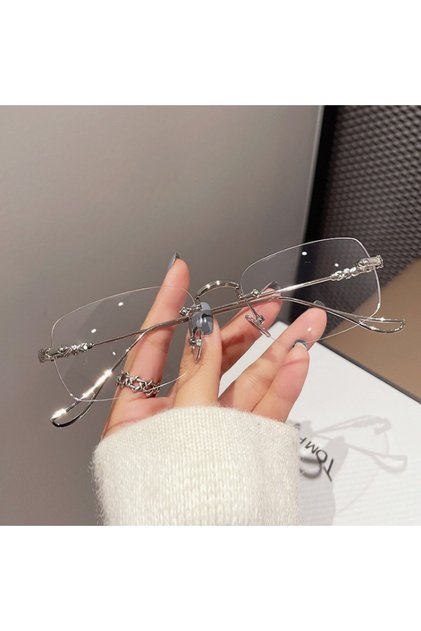


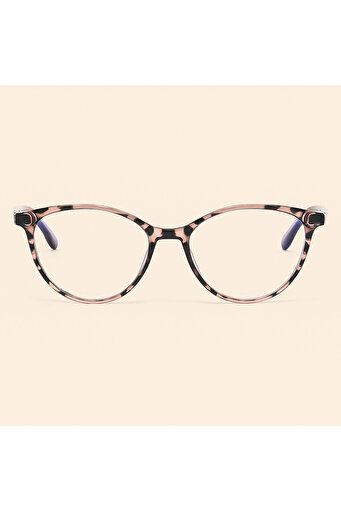
 Leopard Blue Light Filtered Screen Glasses