Free shipping
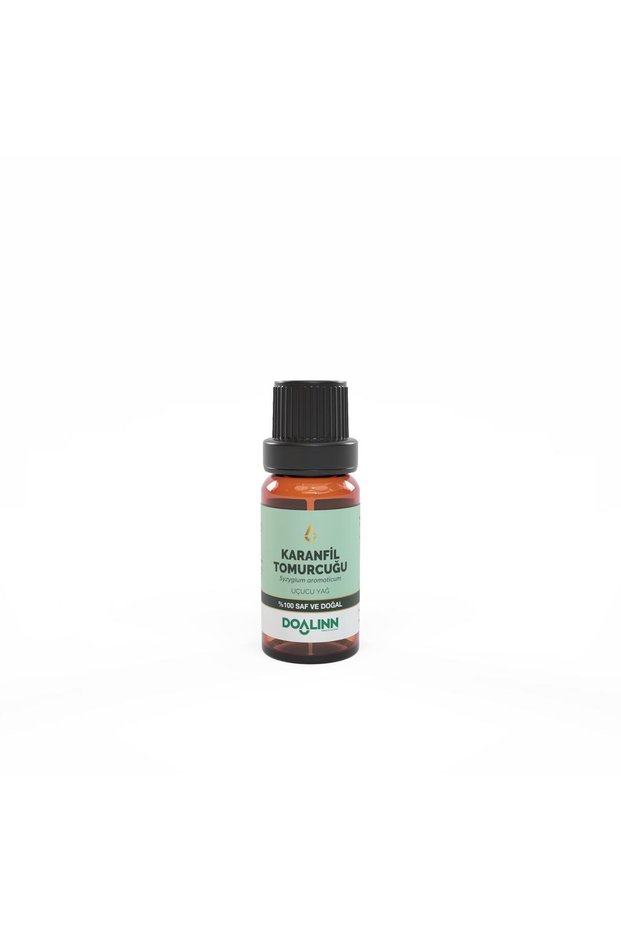
Doalinn Clove Bud Essential Oil 10 mL
No reviews yet.
Lowest price in 14 days
Checkout Discount 57% Off
At checkout
82.31 SAR
191.43 SAR
Free shipping
Delivery address

Select your address, find out the delivery date!
International delivery
Trendyol's commitments
Return unavailablePlease note that items in this category cannot be returned due to health protection, hygiene and/or legislation.
Payment methods






Highlighted features:
Doalinn Clove Bud Essential Oil 10 mL features
Volume
1–15ml
Origin
LK

Doalinn
1.7K followers
Seller information
Doalinn Clove Bud Essential Oil 10 mL reviews
No reviews yet.
Product details
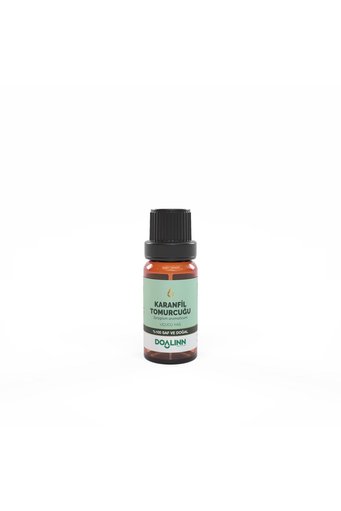
Product description
Inci: eugenia caryophyllus flower oil cas no.: 8000-34-8 batch/lot no.: 19122302 stock code: botanical name: eugenia caryophyllata plant family: myrtaceae ingredients: 100% pure clove bud essential oil major component: phenols extraction method: steam distillation part from which it is obtained: fruit origin: sri lanka color: pale yellow/colorless aroma: medium harvest time: february and october cultivation method: traditional farming post-production shelf life: max. if stored under proper conditions. 36 months. shelf life after opening: 9 months. compatible oils: citrus, spicy-flavored essential oils. clove bud essential oil. application methods: you can use clove bud essential oil for topical and inhalation applications. Usage recommendations: you can add clove bud essential oil to a diffuser or burner on its own, or you can mix it with other essential oils with different scents to enhance its effects. Warnings & safety precautions: be sure to consult your doctor before using this product during pregnancy and breastfeeding. For external use only. It may cause skin sensitivity. Not suitable for use by young children. Storage conditions: keep away from direct sunlight and moisture. It is recommended to store it in a cool, dry place, away from children, and to keep the container tightly closed.
Additional info
- A maximum of 5 units of this product can be ordered. Trendyol reserves the right to cancel orders over 5 units.
- Sold by .
- The selling price on Trendyol already includes the export-related costs.
- Barcode No: 8682431693994
- Origin: LK
Doalinn Clove Bud Essential Oil 10 mL features
Volume
1–15ml
Origin
LK
Safety information
Product safety information
Product description
Inci: eugenia caryophyllus flower oil cas no: 8000-34-8 batch/lot no: 19122302 stock code: botanical name: eugenia caryophyllata plant family: myrtaceae ingredients: 100% pure clove bud essential oil major component: phenols extraction method: steam distillation obtained part: fruit origin: sri lanka color: pale yellow/colorless aroma: medium harvest time: february and october cultivation method: conventional agriculture shelf life after production: max. when stored under correct criteria. 36 months shelf life after bottle opening: 9 months compatible oils: citrus, spicy aromatic essential oils clove bud essential oil / eugenia caryophyllata, also known as clove, is an aromatic tree belonging to the myrtaceae family, naturally grown in the moluccas islands of indonesia. Clove, which is used as a spice in kitchens in many parts of the world, is also grown in countries such as tanzania, madagascar, sri lanka, india, china, indonesia, malaysia, brazil, republic of madagascar, jamaica and guinea [1,2]. Eugenia caryophyllata, a perennial evergreen plant reaching heights of 10 to 20 meters, is characterized by lanceolate leaves and clusters of yellowish-white flowers. it possesses a strong phenolic odor and a sharp, astringent taste. the fruit is harvested twice a year, typically in october and february, when the flower bud colors transition from green to red. after harvesting, the fruits are carefully dried and separated from the stems [2]. Clove bud essential oil is a colorless or light yellowish liquid obtained by steam distillation from the dried flower buds. The typical chemical components in clove bud essential oil consist of eugenol, eugenyl acetate, and trans-beta-caryophyllene. In addition to this, thanks to its eugenol content, this oil has properties [2,3]. Since ancient times, cloves have been used as an intestinal parasite, herpes, asthma, toothache, respiratory disorders, digestive system disorders, indigestion, gastritis, diarrhea, fever, appetizer and expectorant. Due to the eugenol component found in clove bud essential oil, this oil carries a risk of mucous membrane irritation [4]. Application methods: you can use cinnamon leaf essential oil for topical application and inhalation. It is not recommended to apply directly to the skin without dilution. You can dilute it with a fixed oil for your skin type and apply it to your skin. Be sure to dilute it properly to avoid skin irritation. Maximum The dilution rate should not exceed 0.5% [4]. In topical applications, it is frequently used in massage oils and ointments for its effect in helping to relieve muscle and joint pain. it is added to toothpaste and mouthwash products due to its antiseptic properties [2,5]. It is known for its invigorating and mentally purifying effect in inhalation applications. In addition to this, it has powerful aphrodisiac properties [2,5]. Usage suggestions: you can add clove bud essential oil to a diffuser or incense burner on its own, or you can enhance its effect by mixing it with essential oils of different aromas. Add 1.2 drops of clove bud essential oil to a cotton ball and apply to the aching tooth. This will help you to instantly provide relief, as well as help to maintain oral hygiene by destroying bacteria that cause infection. Warning & safety requirements: consult your physician before use if you are pregnant or nursing. For external use only. It may cause skin sensitivity. Avoid direct contact with sensitive areas such as eyes and mucosa. Not suitable for use by young children. Storage conditions: keep out of direct sunlight and moisture. It is recommended to store it in a cool and dry place away from children, with the lid closed. Reference [1].zheng g.q., kenneyp.m. And lam l.k. Sesquiterpenes from clove (eugenia caryophyllata) as potential anticarcinogenic agents. J nat prod. 55(7):999-1003. 1992. [2]. Singh j., et al. eugenia caryophyllata thunberg (family myrtaceae): a review. International journal of research in pharmaceutical and biomedical sciences 2012 vol.3 no.4 pp.1469-1475 2012. [3].clarke, sue. Essential chemistry for aromatherapy. 2nd edition Elsevier health sciences. 2008. [4]. Tisserand & young essential oil safety, 2nd edition churchill livingstone elsevier. Edinburgh 2014. [5]. Nature in a bottle. Clove bud oil. (access date: 01.09.2021).